Analytics
Multispectral Drone Services
See what the human eye can’t. Aerial imaging that reveals crop stress, vegetation health, moisture issues, and surface changes before they become visible problems.
What It Is
What is multispectral imaging?
A multispectral imaging system, like the one on our DJI Mavic 3 Multispectral, captures light wavelengths that are invisible to the human eye. By analyzing how plants, soil, water, and materials reflect different types of light, the system detects issues and patterns that standard cameras simply cannot see.
This technology identifies crop stress, irrigation problems, plant disease, heat damage, vegetation health changes, and surface anomalies long before they’re visible during normal inspections. The collected data is processed into easy-to-read maps and reports that support better decision-making across agriculture, land management, environmental monitoring, infrastructure inspection, and emergency response.
Our Equipment
DJI Mavic 3 Multispectral.
The platform behind every flight — built for survey-grade accuracy and consistent index values from one visit to the next.
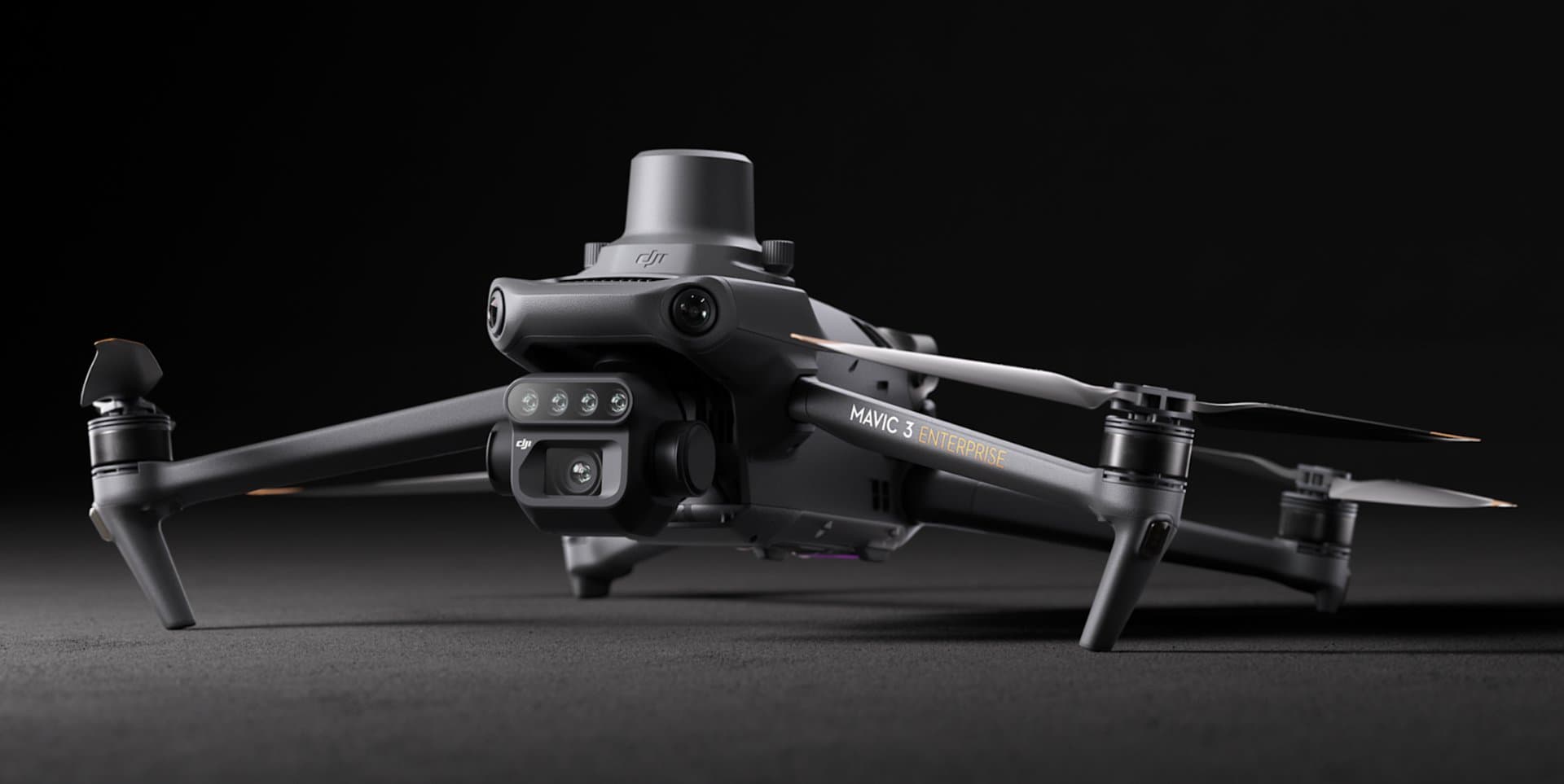
Dual imaging system
20MP RGB camera plus four dedicated multispectral cameras
Four spectral bands
Green (550 nm) · Red (650 nm) · Red Edge (730 nm) · Near-Infrared (860 nm)
RTK positioning
Centimeter-level accuracy with no ground control points required
Sunlight sensor
Calibrates each image for solar irradiance — consistent NDVI across different days, weather, and seasons
43-minute flight time
Covers up to 200 hectares (~494 acres) per flight
Real-time index viewing
NDVI, NDRE, and GNDVI maps visible during flight
Applications
Twelve ways to put it to work.
From row crops to powerlines, stockpiles to storm damage — the same sensor stack pulls a different deliverable for every industry.
Agriculture & Ranching
Aerial imaging that monitors crop health, irrigation performance, pasture conditions, and livestock areas to improve productivity and reduce operating costs. Detect nutrient deficiencies, water stress, and plant disease weeks before they're visible from the ground.
Land Management
Detailed aerial maps and vegetation analysis for property planning, erosion control, drainage evaluation, and habitat monitoring.
Construction & Development
Track project progress, measure stockpiles, document sites, and produce accurate maps for planning and reporting.
Environmental Monitoring
Flood assessment, wildfire damage surveys, wetland monitoring, storm documentation, and long-term conservation projects.
Utility & Infrastructure Inspections
Inspect solar farms, powerline corridors, pipelines, and communication towers quickly and safely from the air.
Public Safety & Emergency Response
Search operations, disaster response, flood mapping, wildfire reconnaissance, and real-time situational awareness for first responders.
Forestry Applications
Monitor tree health, identify invasive species, evaluate timber conditions, and track reforestation efforts.
Water Management
Evaluate ponds, reservoirs, drainage systems, and watershed conditions to identify leaks, algae growth, or flow issues.
Surveying & Mapping
High-resolution aerial maps, topographic models, and 3D terrain data for planning, engineering, and GIS applications.
Mining & Aggregates
Volumetric stockpile analysis, pit and quarry monitoring, reclamation tracking, and environmental compliance documentation.
Insurance & Claims Documentation
Pre-loss baseline imagery and post-event damage assessment for crops, structures, and property after storms, hail, fire, or flood events.
Winery & Vineyard
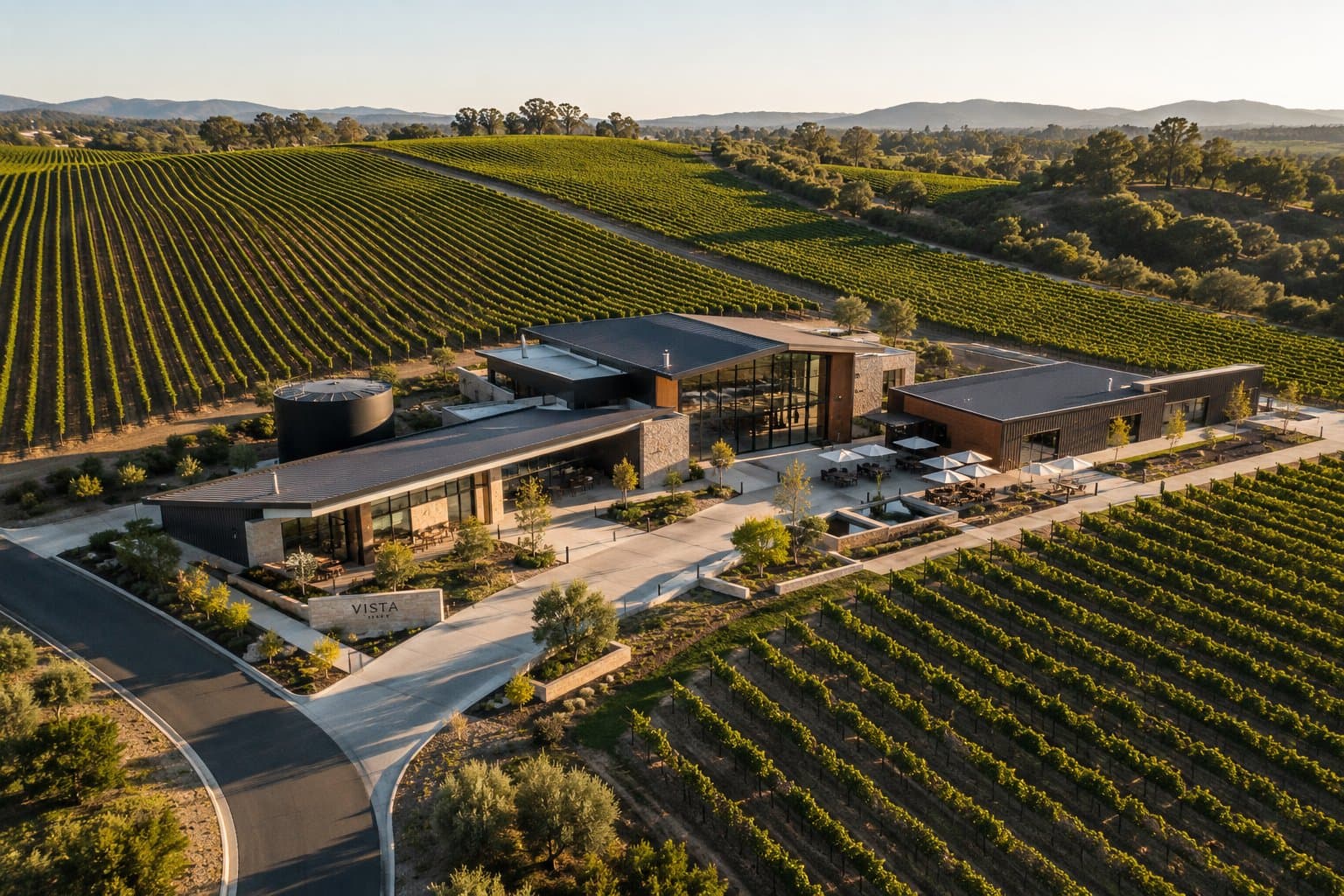
Vine-by-vine canopy health, water stress, and disease pressure across the block. Time-stamped NDVI maps drive variable-rate irrigation, targeted spray programs, harvest-window planning, and yield-zone documentation for the cellar.
What You Receive
Deliverables you can actually use.
Every project ends with packaged outputs ready for your team, your contractors, or your existing GIS / precision-ag system.
NDVI, NDRE, and GNDVI vegetation index maps showing plant health across your area
High-resolution orthomosaic maps stitched from hundreds of aerial photos
3D terrain models and topographic data for surveying and engineering work
Prescription maps compatible with variable-rate spraying and irrigation systems
PDF inspection reports with annotated findings
GIS-ready files (GeoTIFF, KML, shapefiles) for use in your existing software
Why Drone-Based
Five reasons drone beats satellite.
Compared to satellite imagery or manned aircraft, drone-based multispectral surveys deliver more detail, more flexibility, and faster answers.
Higher resolution
Centimeter-level detail vs. meters from satellites.
On demand
Fly when you need to, not when a satellite passes over.
Cloud-independent
Operate below the cloud layer.
More affordable
A fraction of the cost of manned aircraft.
Faster turnaround
Receive processed maps in days, not weeks.
Ready to see what you’ve been missing?
Whether you’re managing a 500-acre farm, inspecting a solar array, or documenting storm damage, we’ll build a flight plan and deliverables package tailored to what you need.
Other Services
Or explore another part of the platform.
Window Cleaning
Spot-free glass up to 180 feet, no lifts, no swing stages, no rope teams on your building.
Learn more→CleaningFacade & Exterior Cleaning
Limestone, stone, stucco, EIFS, and metal panel, cleaned at height without etching the surface or scaffolding the building.
Learn more→CleaningRoof Cleaning
Inspect from the air, treat at low pressure with a trained two-person crew, verify from the air. Moss, lichen, algae, and staining removed from tile, metal, and membrane roofs.
Learn more→CleaningSolar Panel Cleaning
Module cleaning for O&M providers, asset owners and C&I rooftop portfolios in Texas. Deionized water, no brushes, nobody standing on the glass, and a thermal inspection on the same flights.
Learn more→InspectionRoofing & Facade Inspection
Thermal-grade inspection of commercial roofs, parapets, and facades, without lifts, anchors, or rope teams.
Learn more→SolarSolar Inspection & Cleaning
Restore lost generation. Find dead cells, hot spots, and damage before they cost you a billing cycle.
Learn more→HOA / CommunityHOA Property Inspection
Drone inspection across community common areas, purpose-built for board reporting and reserve-fund planning.
Learn more→MediaAerial Media & Visual Intelligence
Aerial photography, video, and content, engineered for value, not just B-roll.
Learn more→Ranch Asset ManagementWildlife Intelligence
Thermal-imaging livestock and game counts. Periodic census, herd-health checks, and predator detection from the air.
Learn more→